


Cybersecurity SEO is entering a new era. In 2026, traditional tactics built around keywords, traffic volume, and surface-level optimization are no longer enough to compete, especially in an industry held to the highest trust standards. Cybersecurity content is evaluated more strictly by search engines, making trust, expertise, and real-world credibility essential for visibility. At the same time, AI-driven search and zero-click results are changing how buyers discover, evaluate, and validate security vendors.
This guide breaks down how cybersecurity SEO is evolving, outlines a practical authority driven framework, and explains how to measure success using trust, AI visibility, and pipeline impact rather than outdated traffic and ranking metrics.
What You Will Learn
- How cybersecurity SEO is changing in 2026 due to AI search, zero-click results, and stricter YMYL standards
- What cybersecurity buyers actually search for, and how to align content with their evaluation journey
- A practical 7-step framework for building authority-driven, threat-led cybersecurity SEO
- How to measure SEO success using trust, visibility, and pipeline-focused KPIs, not outdated traffic metrics
The State of Cybersecurity SEO in 2026
Why Cybersecurity SEO is Different in 2026
Unlike most B2B industries, Cybersecurity SEO falls into a much stricter category, resulting in stricter standards. Cybersecurity content is classified as YMYL (Your Money or Your Life), meaning trust, expertise and real-world credibility directly impact your rankings.
In order to stay competitive in 2026, your SEO strategy will require more than just keywords–you’ll need proof of authority, technical accuracy, and buyer intent alignment.
AI Search, Zero-Click Results, and Cyber Queries
AI Overviews now answer many cybersecurity questions directly within SERPs (Search Engine Results Pages). As a result, longer, more comprehensive content helps cybersecurity companies stay competitive, rather than strategies primarily focused on individual keywords. Instead of fighting zero-click results, leading cyber brands are owning definitions, frameworks, and expert commentary that fuel AI-generated answers.
The goal is no longer “traffic at all costs,” but visibility at the exact moment buyers evaluate vendors.
What Cyber Buyers Actually Search For
Cybersecurity buyers don’t search like traditional SaaS users. Their queries evolve from threat research to solution validation to vendor proof.
Effective cybersecurity SEO mirrors this journey. When creating a Cyber Content Strategy, be sure to map your content to how CISOs, SOC leaders, and security architects investigate risk and potential solutions.
Interested in a Free E-E-A-T Audit?
Wadi Digital’s 7-Step Cybersecurity SEO Framework
Step 1: Threat-Led Keyword Mapping
Cluster keywords around real security risks, not product categories (ransomware, identity compromise, cloud exposure, data breach). Remember to prioritize how CISOs and SOC teams investigate threats.
Step 2: Assign Every Keyword to a Funnel Stage
Assign each keyword to specific stages of your ideal buyer’s journey. Build content for all stages so organic traffic supports education and conversion.
Step 3: Build Trust Into Site Architecture
Google ranks Cyber content more strictly. One of the criteria they use to rank is known as E-E-A-T: Experience, Expertise, Authority, and Trust. By showing credibility across the site with expert authorship, compliance pages, trust centers, and customer proof, not only will Google rank you higher, potential customers will feel more assured choosing your service.
Step 4: Create Scalable Content Clusters
Make sure to organize your content into categories–replacing standalone blog posts with threat hubs, solution clusters, and comparison pages that interlink and reinforce topical authority.
H3: Step 5: Earn Authority Through Expertise
Publish expert-led threat analysis, breach insights, and compliance guidance, and secure mentions/backlinks from trusted cybersecurity publications, analysts, and practitioner communities.
Step 6: Optimize for AI & Zero-Click Visibility
Structure content to own definitions, frameworks, and explanations that appear in AI Overviews, featured snippets, and SERP answers.
Pro Tip: Add a short, definition-style summary at the top of key pages to increase visibility in AI Overviews and reinforce E-E-A-T signals.
Step 7: Measure SEO by Pipeline Impact
Track how organic search contributes to demos, sales-qualified leads, and revenue. Don’t just use traffic and rankings as primary indicators of success.
Book your free strategy session with Wadi Digital today
Measuring the Effectiveness of Your SEO Strategies
Setting up KPIs for Your Cybersecurity Marketing Campaign
Key Performance Indicators (KPIs) are metrics that help you measure the success of your marketing campaign. Common KPIs for cybersecurity marketing include website traffic, leads generated, conversion rate, and ranking in search engine results.
To understand the real impact of SEO, expand your KPIs to include:
- E-E-A-T score (strength of trust, expertise, and authority signals across your site)
- Zero-click wins (visibility in AI Overviews, featured snippets, and SERP answers)
- Demo requests and sales-qualified leads (SQLs) from organic search
Together, these KPIs provide a more complete view of performance, rather than relying solely on legacy SEO indicators.
Continuously Improving Your SEO Strategy
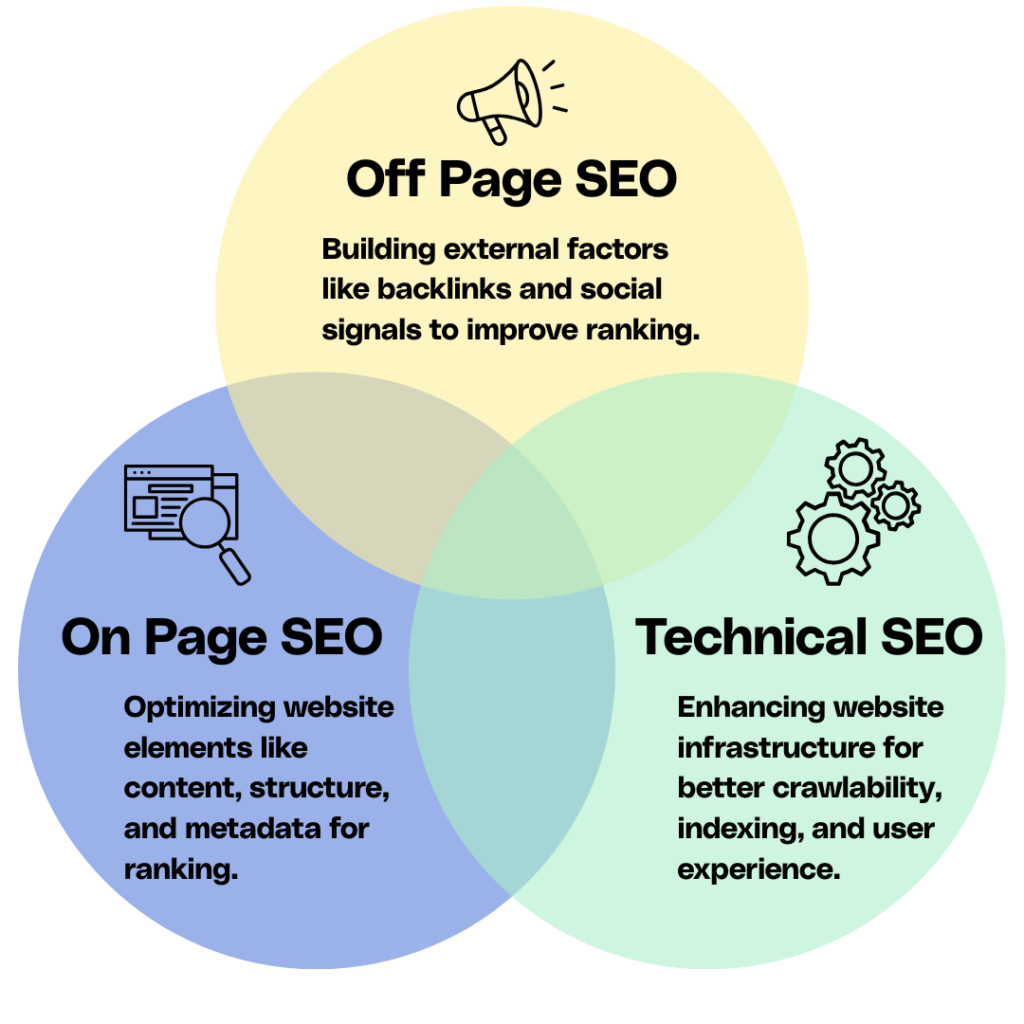
SEO is not a one-time effort but an ongoing process. Regularly analyze your website’s performance and make necessary adjustments to your SEO strategy. This could include updating your content, building more backlinks, or even optimizing your website’s technical aspects.
Conclusion
Cybersecurity SEO in 2026 is no longer about publishing more content or chasing rankings alone. Winning SEO today requires aligning content with real threats, buyer intent, and measurable business outcomes. By focusing on authority-driven content, scalable topic clusters, and pipeline-focused measurement, cybersecurity companies can remain visible at critical evaluation moments and earn trust in an increasingly competitive market.
Key Takeaways:
- Cybersecurity SEO in 2026 is governed by stricter YMYL standards, making trust, expertise, and real-world credibility essential for rankings.
- AI search and zero-click results shift the goal from traffic volume to visibility during critical buyer evaluation moments.
- Effective cybersecurity SEO mirrors how CISOs and security teams research threats, validate solutions, and assess vendors.
- Authority-driven content clusters and expert-led insights outperform standalone keyword-focused blog posts.
- SEO success should be measured by trust signals, AI visibility, and pipeline impact—not traffic alone.
FAQs:
Why is SEO different for cybersecurity companies?
Cybersecurity SEO is treated more strictly by search engines because it falls under YMYL (Your Money or Your Life). This means rankings depend heavily on trust signals, technical accuracy, and demonstrated expertise—not just keywords or backlinks.
What role does E-E-A-T play in cybersecurity SEO?
E-E-A-T (Experience, Expertise, Authority, and Trust) is a core ranking factor for cybersecurity content. Search engines look for expert authorship, transparent company information, compliance documentation, and real-world credibility when evaluating cyber websites.
How does AI search impact cybersecurity SEO strategies?
AI Overviews and zero-click results now answer many cybersecurity questions directly in search results. To stay competitive, cybersecurity brands must create comprehensive, authoritative content that fuels AI answers and maintains visibility even when users don’t click through.
What types of content perform best for cybersecurity SEO?
Content that performs best includes threat analysis, breach insights, compliance guidance, comparison pages, and expert-led frameworks. Organizing this content into clusters and hubs helps reinforce topical authority and trust.